Getting Started with Capital Investment
Analysis of Factors Influencing Commodities and Investment Strategies
What are bulk commodities?
Commodities, also known as bulk materials, refer to natural materials, resources, or goods that are tradeable and produced in large quantities, typically bought and sold on global markets either through futures contracts or spot transactions. The price movements of commodities are primarily driven by market supply and demand as well as the global economic environment; therefore, they are often regarded as economic indicators, since they directly reflect industrial production and consumer demand.
Commodity Classification
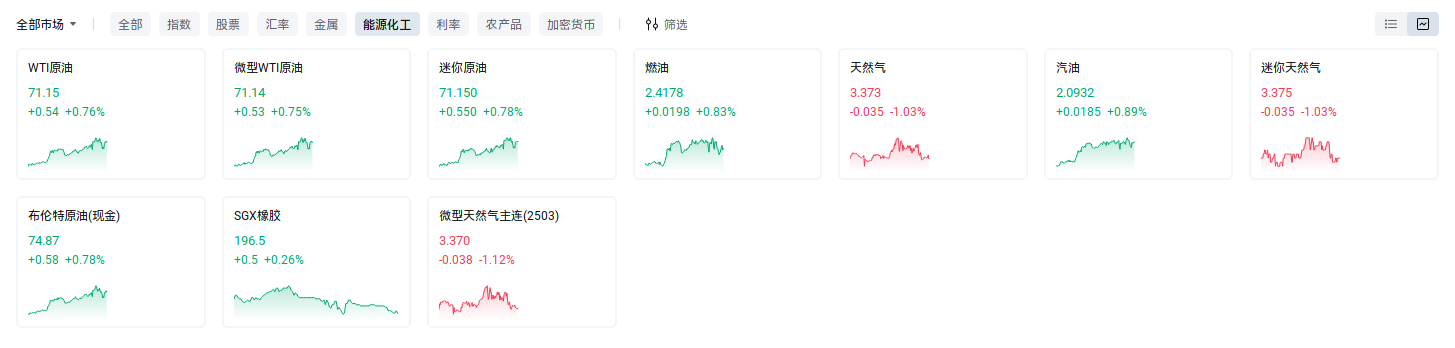
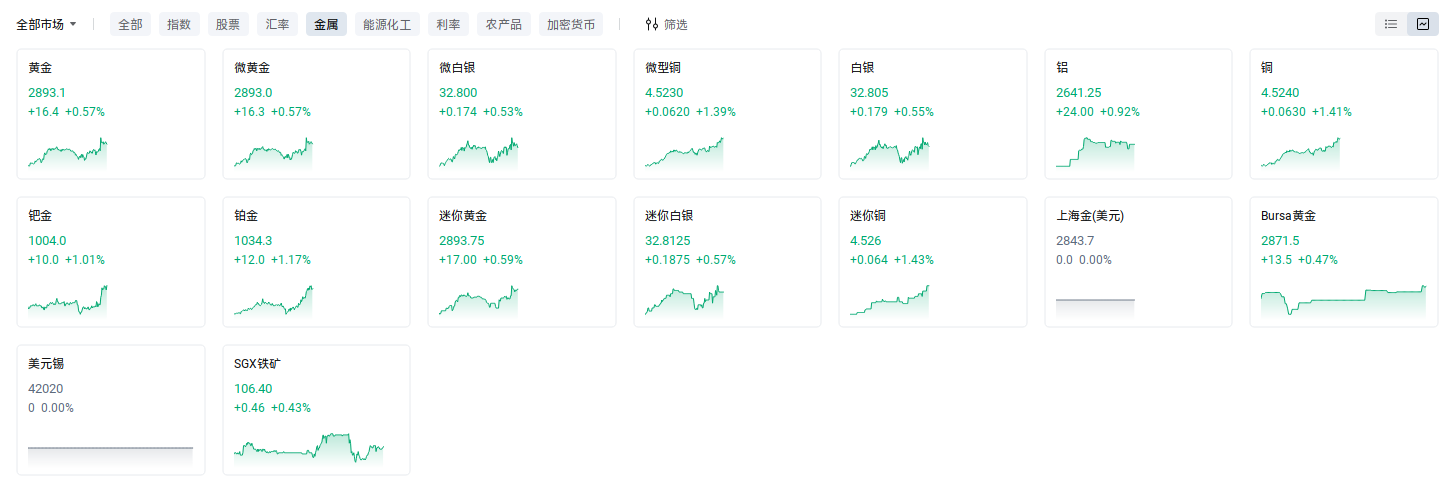
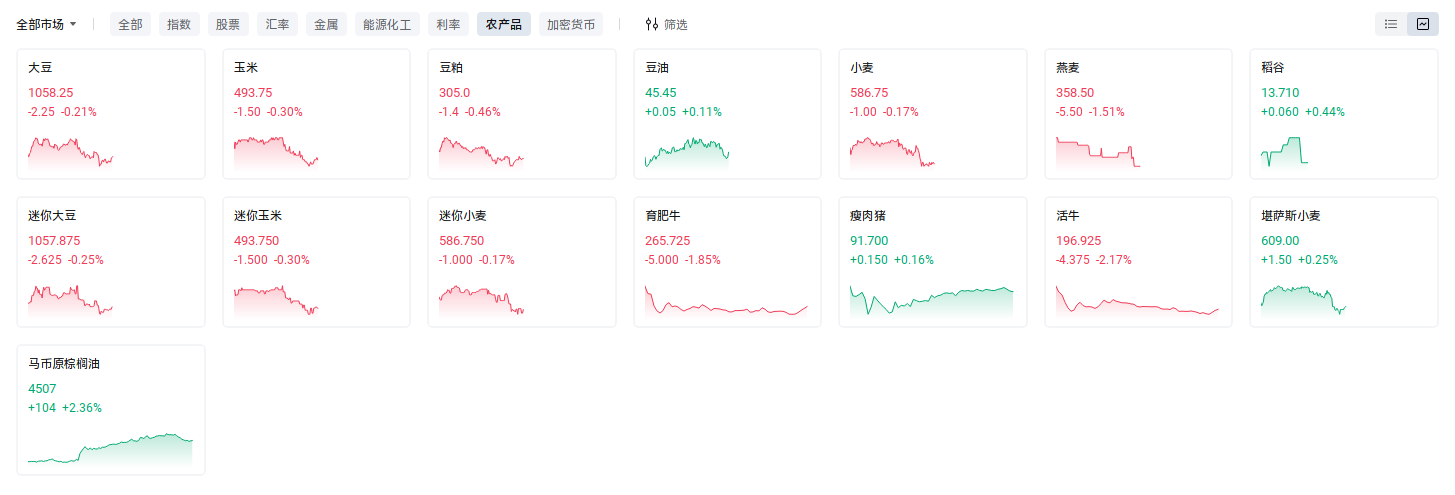
Common commodities are typically divided into three major categories: energy, metals, and agricultural products, as well as plastics, timber, fertilizers, and more.
Energy products: including crude oil, natural gas, coal gas, and more.
Metal types: including gold, steel, copper, aluminum, and more.
Agricultural products: including wheat, corn, soybeans, cotton, and more.
Trends in Commodity Prices
To discover the best buying and selling opportunities, you can check through Futubull.Real‑Time Trends in Commodity PricesStrive for the widest bid‑ask spread to maximize profits.
Factors Affecting Commodity Prices
The prices of commodities are primarily determined by supply and demand.
On the supply side, commodity supply chains are often highly complex, involving multiple stages such as extraction, processing, transportation, and storage. When any one of these links is disrupted, it can affect the volume of commodity supply and, in turn, shake up prices.
There are four major factors affecting and disrupting supply:
Weather and Natural Disasters
All types of commodities exhibit seasonal patterns, and crude oil and agricultural products in particular are highly susceptible to climatic influences. When extreme weather or natural disasters strike, supply is drastically reduced, driving prices up—and the reverse is also true.
Environmental Policy
The promotion of sustainable development and environmental protection policies may affect demand for certain commodities; for example, the extraction of fossil fuels may be subject to restrictions.
Geopolitical Situation
When conflicts erupt between nations, they can severely disrupt the supply of commodities. Take the Russia–Ukraine conflict as an example: Russia is one of the world’s largest suppliers of metals, while Ukraine is a major producer of industrial metals. Consequently, when war breaks out, markets worry that supply chains will be disrupted, causing precious metal prices to surge; on the other hand, risk aversion in the market soars, driving up gold prices, and crude oil prices also rise as supply is disrupted.
Technological advancement
As long as technology improves in even a single link of the supply chain, there is potential to enhance production efficiency, reduce production costs, stimulate an increase in supply, and ultimately lead to lower commodity prices.
The factors that influence demand include:
Monetary policy
Since commodities are priced in U.S. dollars, fluctuations in the dollar—such as those triggered by central bank interest rate decisions and changes in the money supply—can influence investor behavior and demand for commodities, directly impacting prices. For the vast majority of the time, the U.S. dollar exchange rate and commodity prices move in opposite directions, particularly for gold. For example, when the U.S. dollar weakens (i.e., the dollar depreciates), the cost of purchasing gold falls for holders of other currencies, driving up gold prices.
Economic Performance
If the global economic environment is favorable and indicators such as gross domestic product (GDP), the unemployment rate, and the inflation rate perform well, demand for commodities in the market will increase accordingly, and commodity prices will rise; the reverse is also true.
The price of substitutes
Commodity prices will also adjust in response to changes in the prices of substitutes; for example, when the prices of substitutes (such as renewable energy) rise, this may boost demand for and increase the prices of commodities (including crude oil, natural gas, and other energy sources).
How to Invest in Commodities in Hong Kong
Select appropriate commodity assets.
If you want to invest in commodities, you can do so through:
1. Commodity Futures
Futu offers a range of commodity futures—click to learn more!Precious metals、Crude oil、Agricultural productsHow to Enter the Futures Market!
2. Commodity ETFs
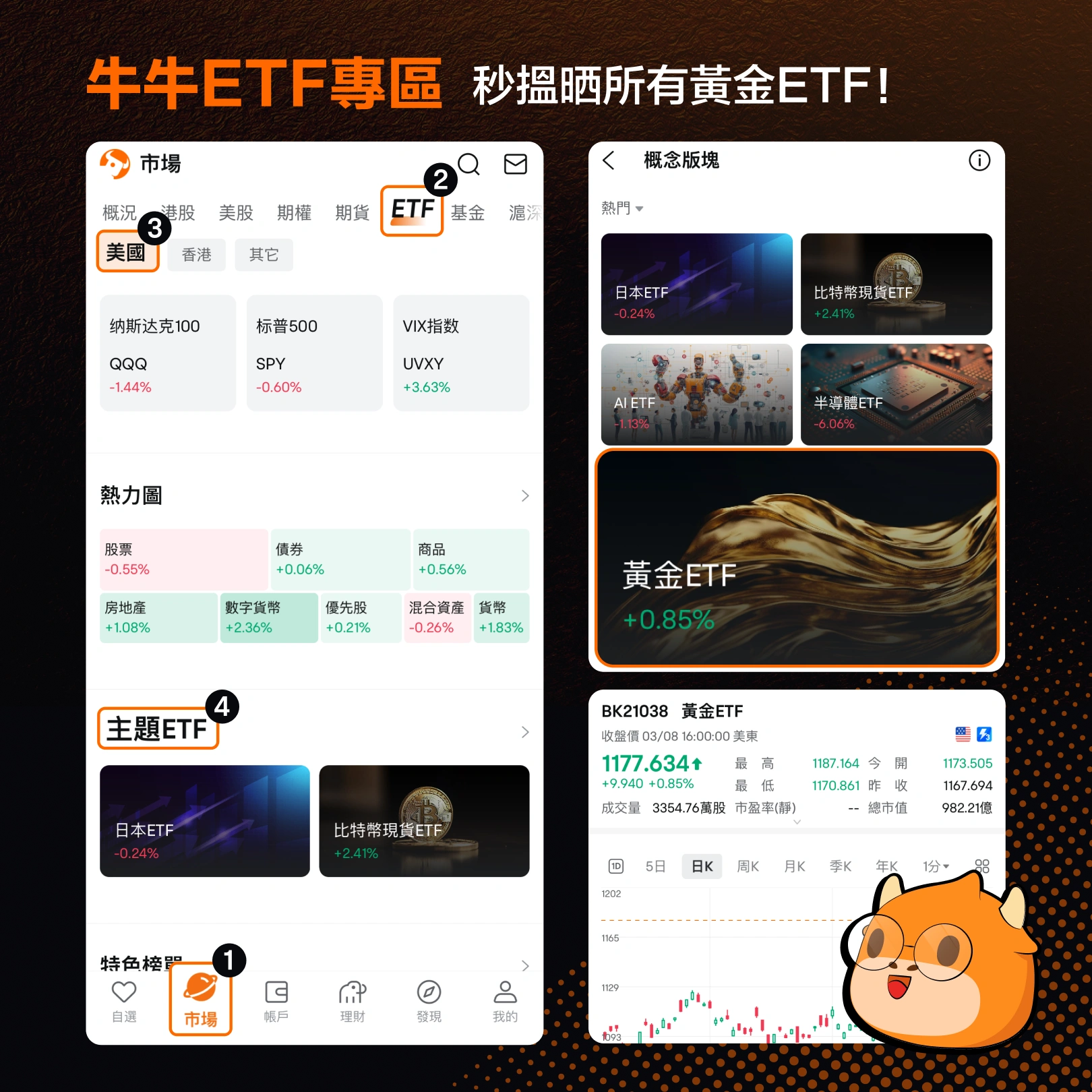
In addition, you can also invest in commodity ETFs on Futu, such as…Gold ETF、Silver ETFs, Energy ETFs, and Crude Oil ETFs. To seize the various opportunities in commodities, Futubull has specially created an ETF section, where all ETF constituent stocks across different commodity categories are fully listed.
Looking for a commodity trading platform.
Futu has listed and opened trading for futures and ETFs of various commodities. But before investing, remember to open an account first!
Step 1: Become a Securities Account User
Go to the Futubull official website and register a new account.(Register Now)
Then, by opening a securities account based on your Futu account, you can trade commodity ETFs.(Open an account now)
Step 2: Open a Futures Account
If you plan to invest in commodity futures, don’t forget to open a futures account. On the detailed quote page for futures, click the “Trade” button; if you haven’t yet activated the relevant futures product categories, you’ll be guided through the activation process. Once activated, you can start trading futures.

Futures contracts are derivative products and not suitable for all investors. You should carefully assess whether you are suited to engage in such trading, taking into account your investment experience, investment objectives, financial resources, and other relevant factors. Investing involves risks, and futures prices can both rise and fall. The risk of loss when trading futures contracts can be substantial. In certain circumstances, the losses you incur may exceed the initial margin deposit you made. Even if you set up stop-loss or limit orders, these may not necessarily prevent losses—market conditions may render such orders unexecutable. You may be required to deposit additional margin within a short period of time. If you fail to provide the required amount within the specified timeframe, your open positions may be liquidated. However, you will remain liable for any resulting shortfall in your account. Therefore, before engaging in futures trading, you should thoroughly research and understand futures contracts, and carefully consider whether this type of trading is appropriate for you based on your financial situation and investment objectives.
